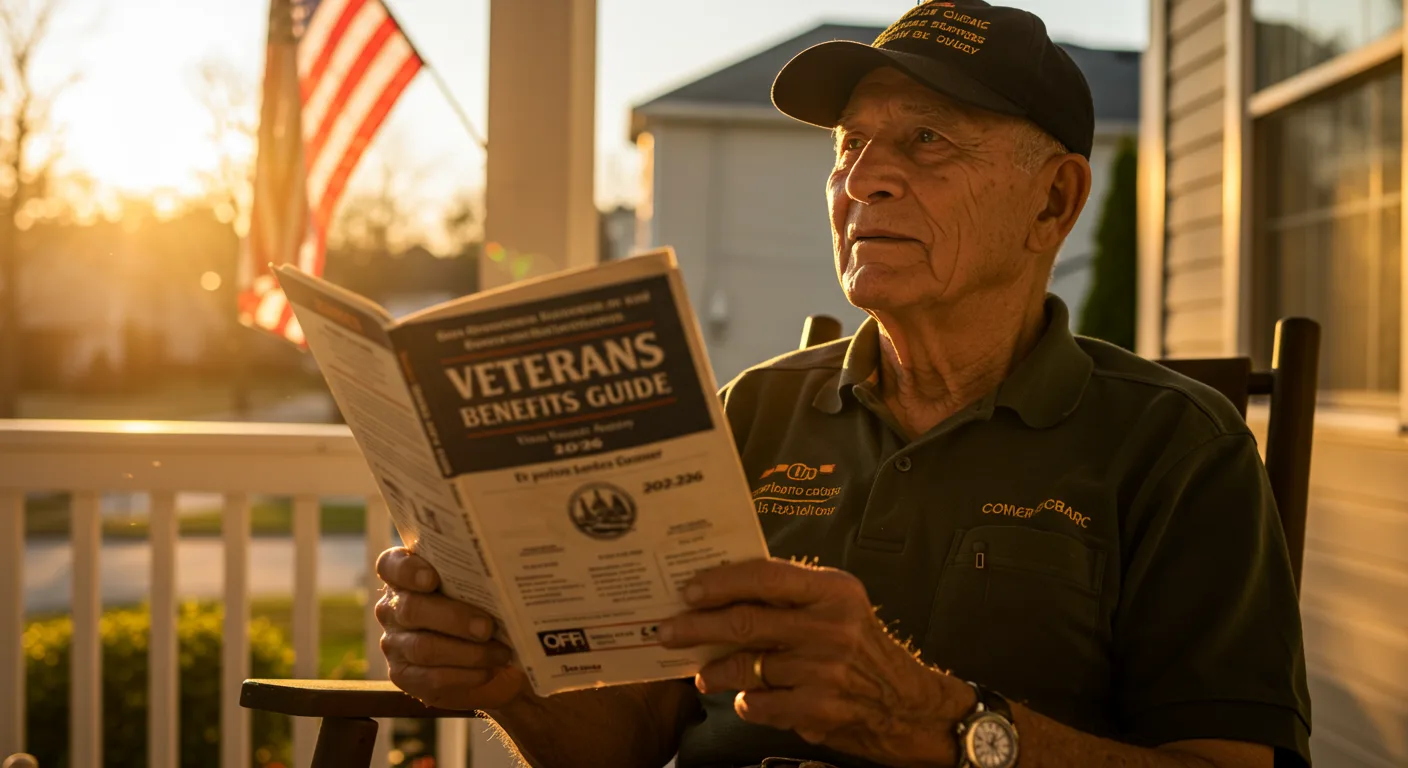
The Complete Guide to Practical Resources for Veterans in 2026
Transitioning from military service to civilian life can be a significant undertaking. Navigating the available practical resources can feel overwhelming, especially for veterans. What if there was a clear, concise roadmap to the benefits, programs, and support systems designed specifically for you?
Navigating Federal Veteran Benefits
The cornerstone of support for veterans comes from the federal government, primarily through the Department of Veterans Affairs (VA). Understanding the scope of VA benefits is crucial. These benefits cover a wide range of needs, including:
- Healthcare: The VA provides comprehensive healthcare services, from primary care to specialized treatments. Enrollment is often determined by factors like service history, disability rating, and income.
- Disability Compensation: Veterans with service-connected disabilities are eligible for monthly compensation. The amount depends on the severity of the disability.
- Education Benefits: The Post-9/11 GI Bill offers financial assistance for education and training programs. This can cover tuition, housing, and books.
- Home Loan Guarantees: The VA helps veterans purchase, build, or refinance homes with favorable loan terms and often without a down payment.
- Life Insurance: VA life insurance programs provide affordable coverage options for veterans and their families.
- Pension: Veterans with limited income and who are permanently and totally disabled or age 65 or older may be eligible for a monthly pension.
To access these benefits, veterans must typically apply and provide documentation of their service. The VA website offers detailed information on eligibility requirements and application procedures. Don’t hesitate to contact a VA representative or veterans service organization (VSO) for assistance.
Unlocking State-Specific Veteran Programs
In addition to federal benefits, each state offers its own array of programs and services tailored to veterans. These practical resources can vary widely, so it’s essential to research what’s available in your state of residence. Common state-level benefits include:
- Tax Breaks: Many states offer property tax exemptions, income tax credits, or other tax breaks for veterans.
- Employment Assistance: State workforce agencies often have dedicated veteran employment representatives who can help with job searching, resume writing, and interview skills.
- Education Incentives: Some states offer tuition assistance, scholarships, or grants for veterans attending state colleges or universities.
- Housing Assistance: States may provide rental assistance, down payment assistance, or other housing programs for veterans.
- Healthcare Programs: Some states offer supplemental healthcare programs or services for veterans who are not eligible for VA healthcare.
- Recreational Opportunities: Many states offer free or discounted access to state parks, fishing licenses, and hunting licenses for veterans.
To find information on state-specific veteran benefits, visit your state’s Department of Veterans Affairs website or contact your local veterans service office. These offices can provide guidance on eligibility requirements and application procedures.
Securing Employment and Career Resources
One of the most significant challenges for transitioning veterans is finding meaningful employment. Fortunately, numerous practical resources exist to support veterans in their job search and career development.
- VA Vocational Rehabilitation and Employment (VR&E): This program provides personalized support to veterans with service-connected disabilities, helping them prepare for, find, and maintain suitable employment.
- Department of Labor Veterans’ Employment and Training Service (VETS): VETS provides resources and assistance to veterans seeking employment, including job training, career counseling, and job placement services.
- Transition Assistance Program (TAP): TAP is a mandatory program for service members transitioning out of the military. It provides training on career planning, job searching, and financial management.
- Military.com: This website offers a job board specifically for veterans, as well as career advice and resources.
- LinkedIn: This professional networking platform can be a valuable tool for connecting with employers and learning about job opportunities. Be sure to optimize your profile with your military experience and skills.
- Networking: Attending industry events and connecting with other professionals can help you learn about job opportunities and build your network.
According to a 2025 report by the Bureau of Labor Statistics, the unemployment rate for veterans was 2.8%, lower than the national average. However, certain demographics, such as younger veterans and female veterans, still face higher unemployment rates.
Accessing Financial Assistance and Support
Financial stability is crucial for a successful transition to civilian life. Veterans have access to a variety of practical resources to help them manage their finances and address financial challenges.
- VA Benefits: As mentioned earlier, VA benefits such as disability compensation, education benefits, and home loan guarantees can provide significant financial support.
- Financial Counseling: Many non-profit organizations and government agencies offer free or low-cost financial counseling services to veterans. These services can help veterans create budgets, manage debt, and plan for the future.
- Emergency Financial Assistance: Several organizations provide emergency financial assistance to veterans facing unexpected expenses, such as rent, utilities, or medical bills.
- Supplemental Nutrition Assistance Program (SNAP): SNAP provides food assistance to low-income individuals and families, including veterans.
- Temporary Assistance for Needy Families (TANF): TANF provides cash assistance and other support services to low-income families with children, including veteran families.
It’s important to create a budget and track your expenses to ensure you’re living within your means. Consider seeking professional financial advice to develop a long-term financial plan.
Prioritizing Mental Health and Well-being
The transition from military service can be emotionally challenging. Prioritizing mental health and well-being is essential for veterans. Many practical resources are available to support veterans’ mental health needs.
- VA Mental Health Services: The VA offers a wide range of mental health services, including individual therapy, group therapy, medication management, and inpatient psychiatric care.
- Vet Centers: Vet Centers provide counseling, outreach, and referral services to veterans and their families. They focus on addressing the unique challenges faced by veterans, such as PTSD, depression, and anxiety.
- National Center for PTSD: The National Center for PTSD conducts research and provides education on PTSD. Their website offers valuable information and resources for veterans and their families.
- Crisis Hotlines: The Veterans Crisis Line provides 24/7 confidential support to veterans in crisis. You can reach them by phone, text, or online chat.
- Peer Support Groups: Connecting with other veterans who have similar experiences can be incredibly helpful. Peer support groups provide a safe and supportive environment for veterans to share their stories and learn from each other.
- Mindfulness and Meditation: Practicing mindfulness and meditation can help reduce stress and improve mental well-being. Numerous apps and online resources offer guided meditations.
A 2024 study published in the Journal of Traumatic Stress* found that veterans who participated in mindfulness-based interventions experienced significant reductions in PTSD symptoms.*
Leveraging Community and Non-Profit Organizations
Beyond government programs, numerous community and non-profit organizations provide valuable support to veterans. These practical resources often offer specialized services tailored to specific needs.
- Veterans Service Organizations (VSOs): Organizations like the American Legion, Veterans of Foreign Wars (VFW), and Disabled American Veterans (DAV) provide advocacy, support, and assistance to veterans.
- Local Community Centers: Many community centers offer programs and services for veterans, such as job training, social events, and recreational activities.
- Religious Organizations: Churches, synagogues, and other religious organizations often provide support to veterans in their communities.
- Homeless Shelters: If you are experiencing homelessness, numerous shelters and organizations can provide temporary housing and assistance.
- Food Banks: Food banks provide food assistance to individuals and families in need, including veterans.
Connecting with these organizations can provide access to a wide range of resources and support networks. Don’t hesitate to reach out and ask for help.
Transitioning from military service is a journey, and you don’t have to navigate it alone. By understanding and utilizing the available resources, you can build a fulfilling and successful civilian life.
Conclusion
Accessing the right practical resources is paramount for veterans transitioning to civilian life in 2026. From federal and state benefits to employment assistance, financial support, mental health services, and community organizations, a vast network is available. Research your options, connect with support systems, and proactively seek the help you deserve. By leveraging these resources, you can overcome challenges and thrive in your post-military career. What steps will you take today to explore these opportunities?
What is the first thing a veteran should do when transitioning to civilian life?
The first thing a veteran should do is enroll in the Transition Assistance Program (TAP) offered by the Department of Defense. This program provides crucial information and resources on career planning, financial management, and other essential aspects of transitioning to civilian life.
How can a veteran determine their eligibility for VA benefits?
A veteran can determine their eligibility for VA benefits by visiting the VA website or contacting a VA representative. Eligibility requirements vary depending on the specific benefit, but generally include factors such as service history, disability rating, and income.
What types of mental health services are available to veterans?
The VA offers a wide range of mental health services, including individual therapy, group therapy, medication management, and inpatient psychiatric care. Vet Centers also provide counseling and support services to veterans and their families.
Where can a veteran find assistance with finding a job?
Veterans can find assistance with finding a job through the VA Vocational Rehabilitation and Employment (VR&E) program, the Department of Labor Veterans’ Employment and Training Service (VETS), and various online job boards specifically for veterans, such as Military.com. Networking with other professionals on platforms like LinkedIn can also be beneficial.
Are there resources available for homeless veterans?
Yes, numerous resources are available for homeless veterans, including homeless shelters, transitional housing programs, and supportive services offered by the VA and various non-profit organizations. Contacting the National Call Center for Homeless Veterans at 1-877-4AID-VET (1-877-424-3838) is a good first step.






