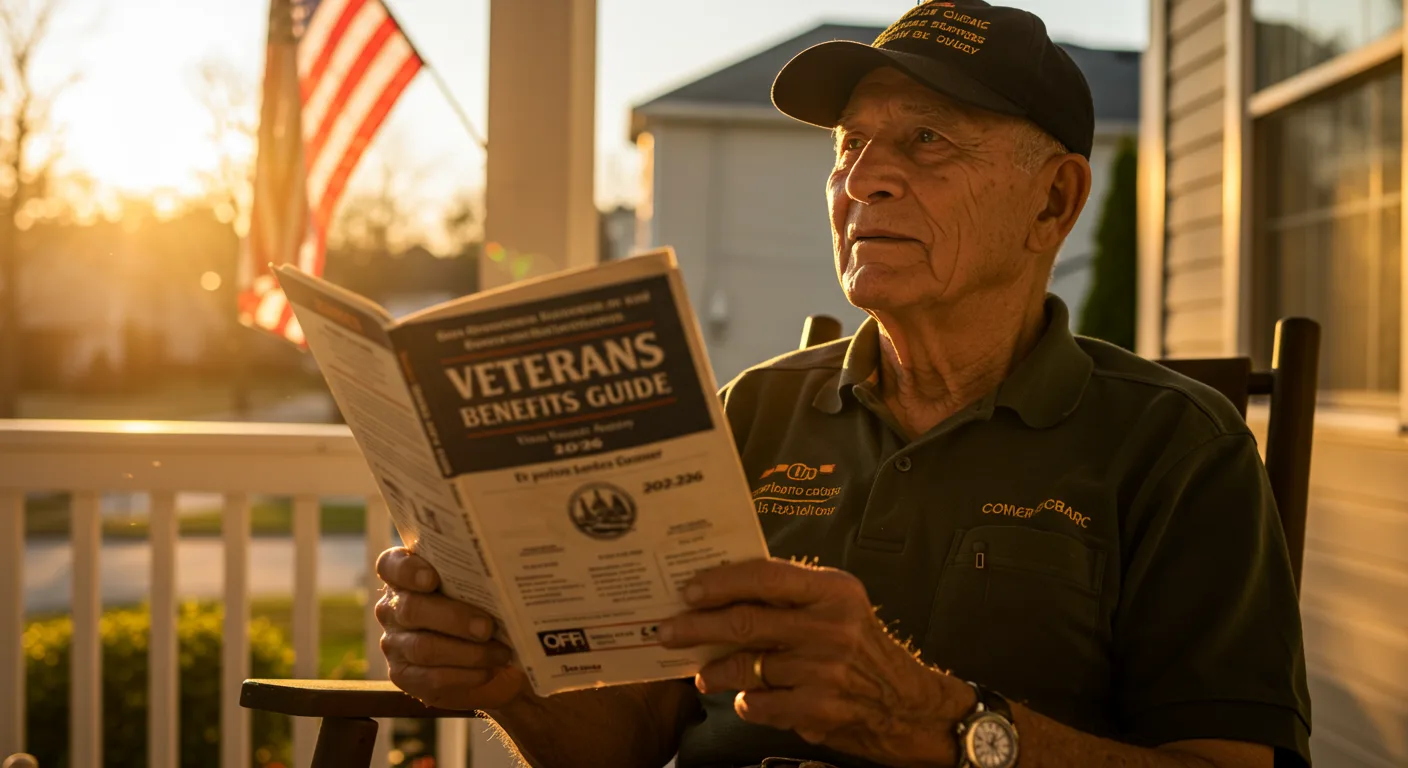
For many veterans, the transition back to civilian life presents a unique set of challenges, and maintaining good health is often at the top of that list. From navigating complex healthcare systems to addressing service-related conditions, understanding how to prioritize your well-being is fundamental. This guide offers a practical, step-by-step approach to taking charge of your health as a veteran – are you ready to build a stronger, healthier future?
Key Takeaways
- Enroll in VA healthcare immediately upon separation to access comprehensive medical and mental health services.
- Schedule an initial comprehensive health assessment with your VA primary care provider within 90 days of enrollment to establish a baseline.
- Actively participate in your treatment plan, including preventative care, and track your progress using tools like the My HealtheVet portal.
- Understand and pursue all eligible disability benefits, as these can significantly impact your access to specialized care and financial stability.
- Seek out and engage with veteran support organizations for both peer support and practical assistance with health-related challenges.
1. Enroll in VA Healthcare: Your First and Most Important Step
The very first thing you need to do upon leaving service, or even before if possible, is to enroll in the Department of Veterans Affairs (VA) healthcare system. I’ve seen too many veterans delay this, thinking they’ll just use private insurance or that their issues aren’t “bad enough.” That’s a mistake. The VA offers a comprehensive range of services, often tailored to veteran-specific needs, and getting into the system early ensures continuity of care and access to benefits you’ve earned.
To enroll, you’ll typically need your DD Form 214, which is your Certificate of Release or Discharge from Active Duty. You can apply online through the VA’s official website, VA.gov, by mail, or in person at a local VA medical center or clinic. I always recommend the online application; it’s generally the fastest and most efficient way to get the ball rolling. During the application, you’ll provide personal information, service history, and financial details, which help the VA determine your eligibility and priority group. Don’t worry if your income seems high; many veterans are still eligible for some level of care.
Pro Tip: Don’t wait until you’re sick or injured. Enroll as soon as you can. Even if you have other insurance, VA healthcare can supplement it, especially for service-connected conditions. It also establishes your record within the system, making future claims or care much smoother.
Common Mistake: Assuming you’re not eligible. Many veterans mistakenly believe that if they have private insurance or a good job, they won’t qualify for VA care. The VA has different priority groups, and most veterans are eligible for some level of care, particularly for service-connected conditions.
2. Schedule Your Initial Comprehensive Health Assessment
Once enrolled, your next critical step is to schedule a comprehensive health assessment with a VA primary care provider (PCP). This isn’t just a quick check-up; it’s a foundational appointment where you establish a relationship with your care team and discuss your overall health, including any service-related concerns, mental health history, and civilian health goals.
When you call to schedule, clearly state that you are a new enrollee and need an “initial comprehensive health assessment.” This signals to the scheduling staff that you require a longer appointment slot than a routine follow-up. During this visit, be prepared to discuss everything: your physical health, mental health, any exposure to environmental hazards during service (like burn pits or Agent Orange), and your family medical history. This is your chance to lay it all out.
For example, I had a client last year, a Marine veteran named Sarah, who deployed to Afghanistan. She initially felt fine but started experiencing chronic fatigue and unexplained joint pain months after separating. During her initial VA assessment at the Atlanta VA Medical Center, her PCP, Dr. Chen, took the time to meticulously review her deployment history and symptoms. Dr. Chen linked Sarah’s symptoms to potential environmental exposures and initiated a referral to the VA’s War Related Illness and Injury Study Center, which was a game-changer for Sarah’s diagnosis and treatment plan. This thoroughness is exactly what you want from that first appointment.
3. Understand and Pursue Service-Connected Disability Benefits
This step is absolutely vital for your long-term health and financial stability. If you believe any health condition, physical or mental, is a result of your military service, you need to file a claim for service-connected disability benefits. These benefits provide monthly compensation and, perhaps more importantly, ensure preferential access to VA healthcare for those conditions.
The process can be daunting, but resources are available. You can file a claim online through VA.gov’s disability benefits section, or with the help of a Veteran Service Organization (VSO) like the Disabled American Veterans (DAV) or the American Legion. I strongly recommend working with a VSO. They are accredited experts who can guide you through the paperwork, help gather evidence, and represent you throughout the process, all at no cost. They know the ins and outs of the VA claims system – something you likely don’t want to learn by trial and error.
Gathering evidence is key. This includes your service medical records, private medical records, and buddy statements (letters from fellow service members who witnessed your condition or the event that caused it). Be meticulous. The more evidence you provide linking your condition to your service, the stronger your claim. If you want to learn more about the claims process, check out our article on VA Disability Claims: Your 2026 Strategy Guide.
Case Study: Navigating PTSD Claims
Let’s look at Mark, a 35-year-old Army veteran who served two tours in Iraq. After returning home, he struggled with severe nightmares, anxiety, and social withdrawal, eventually diagnosed with PTSD by a civilian therapist. When he first tried to file a VA disability claim for PTSD on his own, it was denied due to insufficient evidence linking it directly to his service.
Frustrated, Mark contacted a local DAV representative in Marietta, Georgia. The DAV representative helped him:
Veteran homeowners. Want to lower your monthly payments?
See if a VA Cash Out Loan or VA Home Loan can put cash in your pocket or help you buy with $0 down. A specialist will review your options, free.
- VA Cash Out Loan: use up to 100% of your home’s equity
- VA Home Loan: buy a home with $0 down payment
- No cost, no obligation eligibility check





You’re all set.
A VA loan specialist will reach out shortly to review your Home Loan and Cash Out options.
- Gather Service Records: They meticulously reviewed Mark’s military personnel file, identifying combat deployments and unit commendations that corroborated his exposure to traumatic events.
- Secure Lay Statements: They advised Mark to get detailed statements from his wife, his former squad leader, and a close friend, all describing the clear changes in his behavior and mental state post-deployment.
- Obtain Nexus Letter: The representative connected Mark with a VA-approved psychologist who provided a “nexus letter” – a professional medical opinion directly linking his current PTSD diagnosis to specific in-service stressors.
- Prepare for C&P Exam: They briefed Mark on what to expect during his Compensation and Pension (C&P) examination, emphasizing the importance of being honest and thorough about his symptoms.
With this structured approach, Mark’s claim was re-filed. Within 10 months, he received a 70% service-connected disability rating for PTSD, providing him with monthly compensation and ensuring priority access to mental health services at the Emory University Hospital Veterans Program, a VA-affiliated facility. This outcome dramatically improved his financial stability and allowed him to focus on treatment without the added stress of healthcare costs.
4. Actively Engage in Your Care and Preventative Measures
Getting into the VA system and filing claims are just the beginning. To truly take charge of your health, you must become an active participant in your own care. This means attending appointments, following through on referrals, and committing to preventative health strategies.
Your VA PCP will likely recommend various screenings and vaccinations based on your age, gender, and service history. Don’t skip these! Things like colonoscopies, mammograms, prostate exams, and flu shots are often covered and can catch serious issues early. We often get caught up in addressing immediate problems, but preventative care is where you win the long game.
Use the My HealtheVet portal. This online tool is incredibly powerful. Through My HealtheVet, you can:
- View your VA health record: See past appointments, lab results, and medication lists.
- Refill prescriptions: Order refills for your VA medications online, often delivered directly to your home.
- Secure messaging: Communicate directly and securely with your VA care team. This is fantastic for asking non-urgent questions or getting clarifications without having to schedule an appointment or play phone tag.
- Schedule appointments: In some facilities, you can schedule and manage certain appointments online.
I always tell my veteran clients, “Your health record is your record. Understand it, use it, and advocate for yourself.” If you don’t understand something, ask. If you feel a treatment isn’t working, speak up. You are the expert on your own body and mind.
Pro Tip: Set reminders for your appointments and medication refills. Consistency is crucial for managing chronic conditions or maintaining general well-being. Many VA clinics offer text message reminders, so opt-in for those.
Common Mistake: Not following up on referrals. Your PCP might refer you to a specialist (e.g., cardiology, orthopedics, mental health). It’s your responsibility to ensure these appointments are scheduled and attended. The VA system can be large, and sometimes things fall through the cracks if you’re not proactive.
5. Prioritize Mental Health and Seek Support
Military service can take a significant toll on mental health, and acknowledging this is a sign of strength, not weakness. Conditions like PTSD, depression, anxiety, and substance use disorders are prevalent among veterans, and effective treatments are available.
The VA offers extensive mental health services, including individual therapy, group therapy, medication management, and specialized programs for conditions like PTSD or military sexual trauma (MST). Don’t hesitate to bring up any mental health concerns during your initial assessment or any subsequent appointment. If you’re uncomfortable discussing it with your PCP, you can often self-refer to mental health services directly through your local VA medical center.
Beyond formal clinical care, connecting with other veterans can be incredibly therapeutic. Peer support groups, whether through the VA or independent organizations, provide a safe space to share experiences and build camaraderie. Organizations like the Veterans of Foreign Wars (VFW) or the American Legion often have local posts that offer social support and resources.
We ran into this exact issue at my previous firm working with veterans. Many initially resisted mental health care, viewing it as a sign of weakness. But once they saw peers benefiting from therapy and support groups, that stigma began to erode. One veteran, a retired sergeant, told me, “I thought I was alone with these thoughts. Hearing another guy describe the exact same nightmares I was having, it made me realize I wasn’t broken, just wounded. And wounds can heal.” That shift in perspective is powerful.
Editorial Aside: Look, the VA system isn’t perfect. You’ll hear stories of long wait times or bureaucratic hurdles. But for mental health, the VA has made significant strides in recent years. They have dedicated teams, veteran-specific programs, and a deep understanding of military culture that many civilian providers simply lack. Give them a chance. Your mental well-being is just as important as your physical health, perhaps even more so for a fulfilling civilian life.
6. Leverage Community Resources and Veteran Support Networks
While the VA is a cornerstone of veteran healthcare, it’s not the only resource available. A vast network of non-profit organizations and community programs exists specifically to support veterans. These can fill gaps, provide additional support, or offer specialized services that complement VA care.
Explore local veteran centers, often found in larger cities or near military bases. In Atlanta, for instance, the Atlanta Vet Center (part of the VA’s Vet Center program) provides free counseling, outreach, and referral services to combat veterans and their families, often with fewer bureaucratic hurdles than the larger VA medical centers. They also run various groups and workshops.
Other organizations focus on specific needs:
- Physical activity and rehabilitation: Programs like Team Red, White & Blue (Team RWB) offer physical and social activities to help veterans connect with their communities through fitness.
- Housing and homelessness prevention: Organizations like the National Coalition for Homeless Veterans (NCHV) can provide assistance or referrals.
- Employment and education: Local workforce development agencies and veteran-specific employment programs can help with career transitions, which indirectly impacts health by reducing stress and improving financial stability.
Don’t be afraid to ask for help or explore these options. Many of these groups are run by veterans themselves, who understand the unique challenges you face.
Taking ownership of your health as a veteran involves proactive engagement with available resources, consistent self-advocacy, and a commitment to both physical and mental well-being. By following these steps, you can build a strong foundation for a healthy and fulfilling post-service life.
What is a DD Form 214 and why is it important for VA healthcare?
The DD Form 214, or Certificate of Release or Discharge from Active Duty, is a crucial document that verifies your military service. It’s essential for proving your eligibility for VA healthcare, disability benefits, and other veteran programs.
Can I use VA healthcare if I have private insurance?
Yes, you can use VA healthcare even if you have private insurance. The VA can act as your primary or secondary insurer, especially for service-connected conditions, and often coordinates benefits to ensure comprehensive coverage.
How long does it take to get a VA disability claim approved?
The timeline for VA disability claim approval varies widely depending on the complexity of your claim, the amount of evidence provided, and the current VA backlog. It can range from a few months to over a year. Working with a Veteran Service Organization can often help expedite the process by ensuring your claim is complete and accurate.
What is the My HealtheVet portal and how can it help me manage my health?
My HealtheVet is the VA’s online patient portal. It allows veterans to view their health records, refill prescriptions, communicate securely with their VA care team, and in some cases, schedule appointments. It’s a powerful tool for actively managing your VA healthcare.
Are there mental health services available specifically for combat veterans?
Yes, the VA offers specialized mental health services for combat veterans, including dedicated programs for PTSD, military sexual trauma (MST), and substance use disorders. Vet Centers, which are part of the VA, also provide free counseling and support specifically for combat veterans and their families.