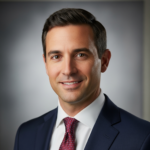
In 2005, while stationed in South Korea, Army veteran Chanté Franco experienced a series of military sexual traumas involving members of leadership, leading to a deep mental health crisis that included self-harm and multiple suicide attempts. This personal ordeal shows a critical issue: how military sexual trauma can lead to severe mental health challenges and suicide crises among veterans, and how Franco’s journey to recovery has now become a mission to help others.
Key Takeaways
- Military sexual trauma (MST) can result in post-traumatic stress disorder (PTSD) and other severe mental health issues, even if the individual has not experienced combat.
- Direct and empathetic questioning about suicidal ideation can be a key step in connecting veterans with necessary mental health treatment.
- Community support, such as peer groups, plays a vital role in suicide prevention and recovery for service members and veterans struggling with mental health.
- Openly discussing personal experiences with MST and suicide can reduce stigma and encourage other veterans to seek help.
- Veterans and service members in crisis can access immediate support through the 988 Veterans Crisis Line.
Chanté Franco’s story, as reported by WMAR 2 News Baltimore, highlights the often-hidden struggles many veterans face. Growing up in a military family, Franco always intended to serve, inspired by her father’s pride in his service. She dedicated eight years to the U.S. Army and Army Reserve. However, her trust in the institution fractured early in her career.
The trauma Franco endured in 2005 initiated a downward spiral. She initially blamed herself, finding it difficult to articulate what had happened. A significant barrier to her seeking help was a misunderstanding of mental health conditions. “I didn’t even know that I had PTSD,” Franco stated. “I thought you only got it if you went to war.” This common misconception prevents many veterans from recognizing their own symptoms and seeking appropriate care.
Her mental health deteriorated while still serving. She described a period marked by self-harm and, eventually, a suicide attempt during active duty. Another attempt occurred after her military separation. For years, Franco engaged in therapy intermittently, but shame prevented her from fully disclosing the depth of her experiences.
A turning point came years later during an examination for veterans benefits. A provider directly asked Franco if she was considering suicide. This direct question, she explained, cut through her silence. “The fact that she asked me directly was jarring enough that I couldn’t lie,” Franco recalled. “It was almost as if she gave me permission to say it.” This moment of direct inquiry connected her with important mental health treatment.
Veteran homeowners. Want to lower your monthly payments?
See if a VA Cash Out Loan or VA Home Loan can put cash in your pocket or help you buy with $0 down. A specialist will review your options, free.
- VA Cash Out Loan: use up to 100% of your home’s equity
- VA Home Loan: buy a home with $0 down payment
- No cost, no obligation eligibility check





You’re all set.
A VA loan specialist will reach out shortly to review your Home Loan and Cash Out options.
The Power of Direct Questions in Crisis Intervention
Franco’s experience shows a critical point for anyone interacting with veterans: direct questions about suicidal thoughts are not only acceptable but often necessary. Many people hesitate to ask, fearing they might “plant the idea” or assume responsibility for solving the problem. However, as Franco’s narrative illustrates, asking directly can provide the permission someone needs to open up. It creates a space for honesty that shame often closes.
This approach aligns with established crisis intervention protocols. Suicide prevention is not about fixing everything for someone. It is about opening a door to conversation and professional support. For veterans, particularly those dealing with trauma, this initial opening can be life-saving. The Department of Veterans Affairs (VA) emphasizes the importance of asking directly and listening without judgment.
Building Community and Peer Support
Today, Franco continues trauma therapy through the VA. She also co-leads a Wounded Warrior Project peer support group in Baltimore. These experiences have shown her the importance of community for service members and veterans rebuilding social bonds in 2026. She views suicide prevention in practical, everyday terms. “Suicide prevention to me looks like a group of people who just randomly text each other,” Franco said, “and then who calls each other out when they see that there’s something wrong.”
Peer support groups offer a unique environment where veterans can share experiences with others who understand their specific challenges. This shared understanding reduces feelings of isolation and validates their struggles. These groups facilitate informal check-ins and build a network of mutual support, which can be a powerful buffer against despair.
From Shame to Advocacy: A Veteran’s Mission
Franco now speaks openly about her past, hoping her story will help other veterans feel less alone. She has reached a point where she no longer takes ownership of the trauma itself, but rather the growth that followed. Her mission is clear: if telling her story reaches even one person, it is worth it. This transformation from personal struggle to public advocacy is proof of resilience and the deep impact one individual can have.
For readers of Veteranfinanceguide, understanding this journey is vital. The financial implications of military sexual trauma and subsequent mental health crises are substantial, affecting employment, housing, and overall stability. Accessing VA benefits and financial stability for veterans in 2026 and mental health services is not just about medical care. It is about providing the foundation for veterans to rebuild their lives. Franco’s story highlights the interconnectedness of mental well-being and financial stability for veterans.
If you or someone you know is experiencing a mental health crisis or considering suicide, help is available. You can call or text 988. Veterans and service members can call 988 and press 1 to connect directly with the Veterans Crisis Line.
This resource offers confidential support from trained professionals who understand the unique challenges faced by the military community. It is a critical lifeline for those in immediate distress.
What is Military Sexual Trauma (MST)?
Military Sexual Trauma (MST) refers to experiences of sexual assault or repeated, threatening sexual harassment that occurred during military service. It can happen to any service member, regardless of gender, branch of service, or deployment history.
Can MST lead to PTSD even without combat experience?
Yes, absolutely. As Chanté Franco’s story illustrates, MST can lead to Post-Traumatic Stress Disorder (PTSD) and other severe mental health conditions, even if the individual has never been in combat. Trauma is trauma, and its source does not diminish its impact.
How can I help a veteran who might be struggling with suicidal thoughts?
The most effective way is to ask directly and empathetically if they are considering suicide. Listen without judgment, validate their feelings, and connect them with professional help. You do not have to solve their problems, but you can open the door to support. Resources like the 988 Veterans Crisis Line are important.
What role do peer support groups play in veteran mental health?
Peer support groups provide a safe space for veterans to share experiences with others who have similar backgrounds and challenges. This shared understanding reduces isolation, encourages a sense of community, and offers mutual support, which is vital for recovery and suicide prevention.
Where can veterans find support for MST and mental health?
Veterans can seek support through the Department of Veterans Affairs (VA), which offers specialized MST coordination, mental health services, and trauma therapy. Organizations like the Wounded Warrior Project also provide complete programs and peer support. The 988 Veterans Crisis Line is available 24/7 for immediate assistance.