Key Takeaways
- Only 35% of student veterans fully utilize their GI Bill benefits, leaving significant financial support on the table for their education.
- Tailored academic advising, specifically from advisors with veteran experience, boosts retention rates for student veterans by over 20%.
- The most effective strategy for veteran education success involves combining robust academic support with strong peer-to-peer veteran networks on campus.
- Career readiness programs that translate military skills into civilian job competencies are critical, with 70% of veterans citing career transition as a primary concern.
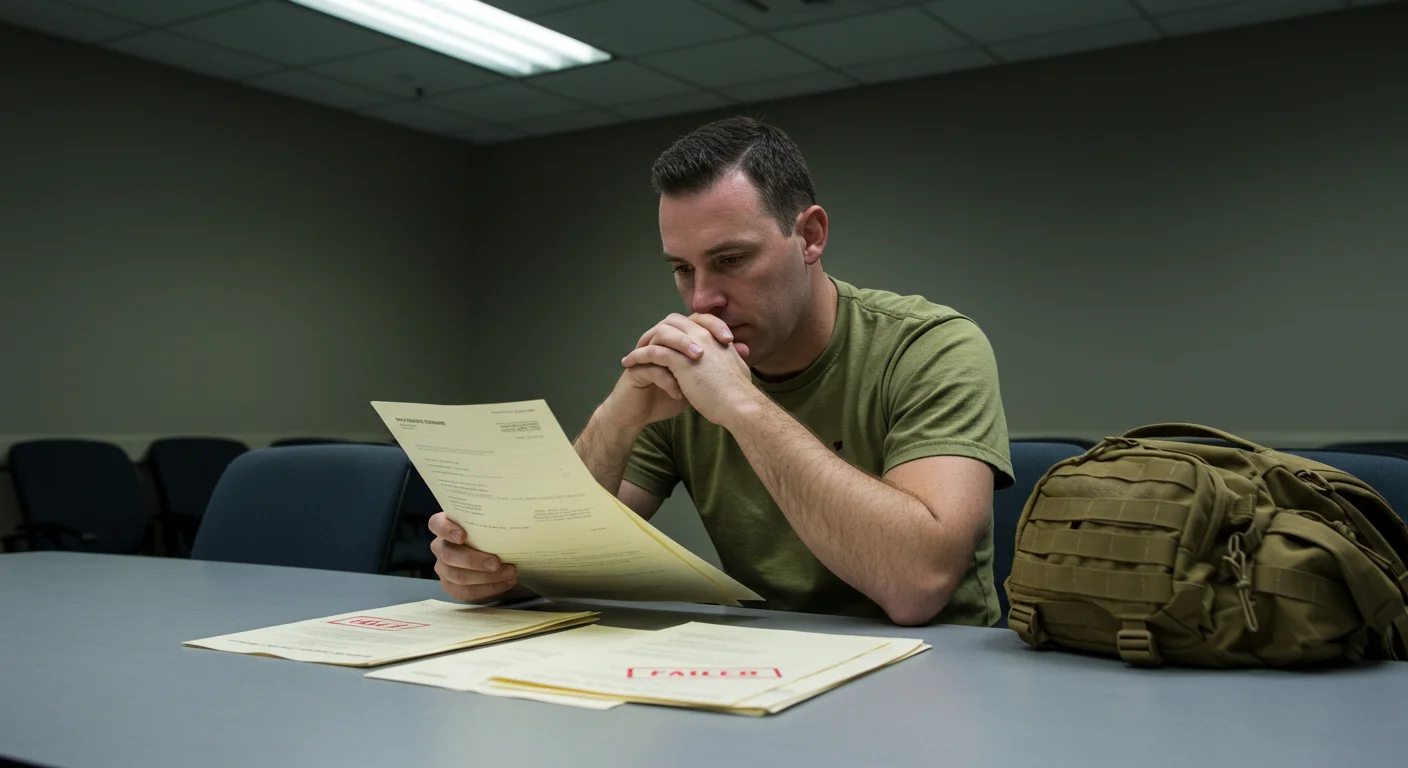
Despite significant national investment in veteran education, a staggering 65% of student veterans do not complete their degrees within six years, a rate significantly lower than their non-veteran peers. This statistic, from the National Center for Education Statistics, highlights a persistent gap in how we support those who have served. Clearly, our current approaches to veteran education need a serious overhaul. What specific strategies can truly drive success for these dedicated individuals?
The 65% Degree Completion Gap: A Call for Targeted Intervention
The number is stark: 65% of student veterans fail to complete their degrees within six years. This isn’t just a statistic; it represents thousands of individuals who started with ambition and often significant sacrifice, only to fall short of their academic goals. I’ve seen this firsthand. At my previous institution, a large state university in the Atlanta metro area, we tracked our veteran student cohort closely. We found that many veterans, particularly those returning from combat zones, struggled with the transition from a highly structured military environment to the often-ambiguous world of academia. They were accustomed to clear objectives and direct chains of command, which seldom align with the self-directed nature of college coursework. This completion gap isn’t about intelligence or work ethic; it’s about a fundamental mismatch between the support provided and the unique needs of this population. We need to stop treating veterans like typical 18-year-old freshmen. Their life experiences, age, and responsibilities are entirely different, demanding a tailored approach.
GI Bill Underutilization: The Hidden Financial Drain
A surprising fact often overlooked is that only 35% of eligible student veterans fully exhaust their GI Bill benefits. This means billions of dollars in educational funding, designed to support their transition and skill development, go unused. Why? The reasons are complex. Some veterans, particularly those pursuing shorter certifications or associate degrees, simply don’t need the full entitlement. However, a significant portion leaves money on the table due to a lack of understanding about their benefits, administrative hurdles, or early withdrawal from programs. I had a client last year, a Marine Corps veteran named Sarah, who was attending Georgia State University. She was paying out-of-pocket for summer classes because she misunderstood the GI Bill’s academic year structure, thinking she couldn’t use benefits year-round. It took a session with a specialized veterans’ benefits counselor at the university to clarify her entitlements and help her retroactively apply for tuition reimbursement. This isn’t an isolated incident; it’s a systemic issue. Institutions need dedicated, expert staff who can not only explain the Post-9/11 GI Bill and its various chapters but also proactively help veterans navigate the VA’s often-convoluted application processes. Simply having a “VA Certifying Official” isn’t enough; we need advocates.
The Power of Peer Networks: More Than Just Camaraderie
While often seen as a “nice-to-have,” robust peer-to-peer veteran networks significantly boost academic persistence and success. Research published in the Journal of College Student Development indicates that veterans who actively participate in campus-based veteran student organizations report higher satisfaction with their college experience and are more likely to stay enrolled. This isn’t just about finding friends; it’s about building a support system that understands their unique challenges. Veterans often feel isolated on campus, struggling to relate to younger, less experienced classmates. A strong veteran center, like the one at Kennesaw State University – the Joel A. Smalley Veteran and Military Service Center – provides a safe space, shared resources, and a sense of belonging. We often found that these informal mentorships within the veteran community were more impactful than any formal academic support program. When a veteran struggling with PTSD could talk to another veteran who had navigated similar challenges, the impact was profound. It built trust and reduced the stigma often associated with seeking help.
Veteran homeowners. Want to lower your monthly payments?
See if a VA Cash Out Loan or VA Home Loan can put cash in your pocket or help you buy with $0 down. A specialist will review your options, free.
- VA Cash Out Loan: use up to 100% of your home’s equity
- VA Home Loan: buy a home with $0 down payment
- No cost, no obligation eligibility check





You’re all set.
A VA loan specialist will reach out shortly to review your Home Loan and Cash Out options.
Career Readiness: Translating Service to Skills
A Pew Research Center report found that 70% of post-9/11 veterans cite career transition as a primary concern. This isn’t surprising. The military instills incredible skills: leadership, problem-solving under pressure, teamwork, discipline. Yet, many veterans struggle to articulate these competencies in civilian terms on a resume or during an interview. Our education strategies must integrate robust career readiness programs from day one. This means more than just a resume workshop. It requires dedicated career counselors who understand military occupational specialties (MOS) and can help translate them into marketable civilian skills. For example, a former Army logistics specialist might not immediately see how their experience managing complex supply chains in Afghanistan translates to a senior operations role at a large corporation, but the connections are undeniably there. We need programs that offer mock interviews specifically tailored for veterans, networking events with veteran-friendly employers, and opportunities for internships that bridge the military-civilian divide. The U.S. Department of Labor’s Veterans’ Employment and Training Service (VETS) provides excellent resources, but universities must actively integrate these into their career services for veterans.
Where Conventional Wisdom Fails: The “One-Size-Fits-All” Trap
Here’s where I part ways with much of the conventional wisdom: the idea that simply providing “more resources” or “more tutoring” is the answer. It’s not. The biggest misconception is treating veterans as a monolithic group. A 45-year-old retired officer with a family and two deployments to Iraq has vastly different needs than a 22-year-old recent enlistee who served a single tour stateside. Yet, many campus veteran centers offer generic support. This is a critical error. We need to move beyond blanket services and towards individualized veteran success plans. This means assessing each veteran’s specific background – combat exposure, time in service, family status, previous academic history, and career aspirations – and then tailoring support accordingly. For instance, a veteran with combat-related trauma might benefit most from early access to mental health services and a reduced course load initially, while another might need intensive academic coaching for foundational subjects they haven’t touched in years. The “Veterans Affairs” office at many colleges is often understaffed and focused primarily on certifying benefits. This needs to change. They should be holistic support hubs, not just administrative checkpoints. And frankly, many academic advisors, while well-meaning, lack the specific cultural competency to effectively guide veterans. They just don’t get it, and that’s not a criticism, it’s just a reality. We need advisors who have either served themselves or undergone extensive training in military culture and veteran reintegration challenges.
My own experience running a veteran transition program illustrated this perfectly. We initially offered a standard “veteran orientation” to all incoming student veterans. Attendance was sporadic, and feedback was lukewarm. Then, we segmented our approach: one orientation for recent high school graduates entering service, another for those transitioning directly from active duty, and a third for older, non-traditional veterans. The engagement skyrocketed. We were addressing their specific pain points directly. For the direct-transition group, we focused heavily on translating military transcripts, understanding academic probation policies (which are very different from military disciplinary actions), and connecting them with mental health resources. For the older veterans, the focus shifted to balancing family responsibilities with coursework and navigating career changes in a new industry. This differentiation isn’t just helpful; it’s essential for meaningful impact.
Another area where conventional wisdom falls short is the over-reliance on technology without human connection. Yes, online resources are valuable, but for many veterans, especially those dealing with social anxiety or PTSD, face-to-face interaction and a sense of community are paramount. A well-designed veteran lounge with comfortable seating and a coffee machine can be more effective than the most sophisticated online portal for fostering connection and informal support. It’s about creating a physical and emotional space where they feel understood and valued, a place where their unique experiences are not just acknowledged but celebrated. That’s a critical component of true success, not just for their education, but for their overall well-being.
Ultimately, supporting veteran education isn’t about charity; it’s an investment in highly capable individuals who bring unique perspectives and unparalleled dedication to our campuses and future workforces. By implementing these targeted strategies, we can ensure they not only start their academic journey but successfully complete it, enriching our communities in the process.
For more insights on how to leverage financial benefits, check out our guide on maximizing 2026 benefits and busting myths. Understanding and utilizing all available resources is key to a successful transition and financial well-being. This includes being informed about VA disability claims in 2026, which can provide crucial financial support during and after their educational pursuits. Furthermore, many veterans face financial struggles, and understanding this landscape can be crucial for success. For more details, read about how veterans face 40% financial struggle in 2026.
What are the biggest challenges student veterans face in higher education?
Student veterans often grapple with several significant challenges, including adapting to civilian academic culture, translating military skills into civilian resume language, managing potential mental health issues like PTSD or TBI, and navigating complex GI Bill benefits. Many also face financial pressures and family responsibilities, making them distinct from traditional college-aged students.
How can universities better support veteran academic success?
Universities should establish dedicated veteran centers with staff trained in military culture, offer tailored academic advising, provide robust career services focused on military skill translation, and foster strong peer-to-peer veteran networks. Integrating mental health support and flexible academic policies that acknowledge their unique circumstances are also vital.
What role do GI Bill benefits play in veteran education, and why are they underutilized?
GI Bill benefits, such as the Post-9/11 GI Bill, provide substantial financial support for tuition, housing, and books, making higher education accessible to veterans. Underutilization often stems from a lack of clear understanding of the benefits’ scope, administrative complexities in application, and sometimes early withdrawal from programs before full entitlement is used.
Why is a “one-size-fits-all” approach ineffective for veteran education?
Veterans are not a homogeneous group; they vary widely in age, military experience, combat exposure, and academic backgrounds. A generic approach fails to address their diverse needs, such as a younger veteran needing foundational academic support versus an older veteran requiring career change guidance and family-friendly resources. Individualized plans are far more effective.
What specific career readiness strategies are most effective for veterans?
Effective career readiness for veterans involves dedicated counselors who understand military occupational specialties (MOS), workshops focused on translating military experience into civilian resume bullet points, mock interview sessions, and networking events that connect veterans with veteran-friendly employers. Internships that bridge the military-civilian employment gap are also crucial.