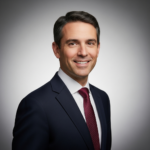
General Paul J. LaCamera, Commander of US Forces Korea (USFK), recently emphasized the deep importance of honoring veterans and solidifying the enduring US-Republic of Korea alliance, particularly during events like the FKI Freedom 250. This annual cycling event, stretching 250 kilometers across South Korea, stands as a powerful testament to the sacrifices made and the bonds forged. Understanding how such events contribute to both veteran welfare and international relations offers a unique perspective on military diplomacy and community engagement.
Key Takeaways
- The FKI Freedom 250 cycling event specifically honors veterans of the Korean War and strengthens the US-ROK alliance through shared experience.
- Participant registration for the FKI Freedom 250 typically opens in late spring, requiring a medical clearance certificate and a valid cycling federation membership.
- Donations collected during the FKI Freedom 250 directly support veteran welfare programs, including medical assistance and educational scholarships, managed by the Korean Veterans Association.
- Volunteering for the FKI Freedom 250 offers opportunities in logistics, aid stations, and route support, directly contributing to event success and participant safety.
1. Understanding the FKI Freedom 250’s Mission
The FKI Freedom 250 is more than just a long-distance cycling challenge. It is a carefully organized annual event designed to commemorate the sacrifices of Korean War veterans and reinforce the strategic alliance between the United States and the Republic of Korea. Established in 2018, the event typically takes place over two days in early October, tracing a route that often includes significant historical landmarks relevant to the Korean War. For instance, past routes have incorporated sections near the Demilitarized Zone (DMZ), offering participants a tangible connection to the conflict’s legacy. The Federation of Korean Industries (FKI) sponsors the event, providing substantial logistical and financial backing, ensuring its continuity and impact. This sustained commitment shows a broader societal recognition of veteran contributions and the importance of international cooperation.
Pro Tip: Researching Historical Significance
Before participating, take time to research the historical points along the planned route. Many segments of the FKI Freedom 250 pass through areas with deep historical significance, such as battle sites or memorial parks. Understanding this context enriches the experience, transforming a physical challenge into a journey of remembrance and appreciation. I always recommend reviewing the official event guide, which often highlights these specific locations and their historical narratives.
2. Eligibility and Registration Process
Participating in the FKI Freedom 250 requires adherence to specific eligibility criteria and a structured registration process. Typically, participants must be at least 18 years old and possess a demonstrable level of cycling fitness, often verified through a recent medical check-up certificate. This is not just a formality. Riding 250 kilometers over varied terrain demands significant physical endurance. Registration usually opens in late spring, around May or June, on the Korea Cycling Federation’s official website or a dedicated event portal. The registration fee, which in 2025 was approximately ₩150,000 (roughly $115 USD), covers event insurance, a participation jersey, and support services along the route. Early registration is often encouraged due to limited spots, which can fill up quickly given the event’s growing popularity and noble cause.
Common Mistake: Neglecting Medical Clearance
A frequent oversight by prospective participants is underestimating the medical clearance requirement. Do not delay obtaining a doctor’s certificate stating you are fit for strenuous physical activity. Event organizers strictly enforce this to ensure rider safety, and lacking this document can lead to disqualification, even if you have completed the registration fee. Plan to get your medical check-up at least two months before registration closes.
3. Training and Preparation Strategies
Successfully completing the FKI Freedom 250 demands a strong training regimen. A typical training plan for an event of this magnitude spans 12 to 16 weeks, progressively building endurance and strength. Key components include long-distance rides, increasing weekly mileage by no more than 10%, and incorporating interval training to improve speed and power. For instance, a cyclist might aim for weekly long rides of 80-120 kilometers, supplemented by two shorter, higher-intensity sessions. Nutrition also plays a critical role. A balanced diet rich in carbohydrates, lean proteins, and healthy fats supports recovery and sustained energy. Hydration is equally paramount, with consistent water intake throughout training and during the event. Gear checks are non-negotiable: ensure your bicycle is in optimal mechanical condition, and invest in comfortable cycling apparel, including a well-padded chamois and appropriate weather-resistant layers. I’ve seen too many riders drop out due to preventable mechanical failures or saddle sores.
Veteran homeowners. Want to lower your monthly payments?
See if a VA Cash Out Loan or VA Home Loan can put cash in your pocket or help you buy with $0 down. A specialist will review your options, free.
- VA Cash Out Loan: use up to 100% of your home’s equity
- VA Home Loan: buy a home with $0 down payment
- No cost, no obligation eligibility check





You’re all set.
A VA loan specialist will reach out shortly to review your Home Loan and Cash Out options.
Pro Tip: Simulate Event Conditions
Practice riding in conditions similar to what you expect on event day. If the FKI Freedom 250 is known for its hilly sections, incorporate hill repeats into your training. If it’s often windy, train on exposed roads. This helps your body adapt and familiarizes you with managing challenges in real-time, reducing surprises on the actual route. Don’t forget to practice eating and drinking on the bike to avoid stomach issues during the ride.
4. On-Course Support and Safety Protocols
The FKI Freedom 250 prides itself on complete on-course support and stringent safety protocols, reflecting a commitment to participant well-being. The route is clearly marked with directional signage at every turn, complemented by marshals stationed at critical intersections to guide riders and manage traffic. Aid stations are strategically placed every 30-40 kilometers, offering water, electrolyte drinks, energy gels, and light snacks. Medical support is strong, with mobile medical teams and ambulances patrolling the route, ready to respond to any emergencies. Technical support vehicles are also available to assist with minor bike repairs, such as flat tires or chain issues. Participants are required to wear helmets at all times, and reflective gear is highly recommended, especially for any low-light riding conditions. The event also maintains a strict cut-off time at various checkpoints to ensure all participants complete the course safely and within daylight hours.
Common Mistake: Ignoring Safety Briefings
Some riders might view the pre-event safety briefing as optional, but it contains vital information regarding route hazards, emergency procedures, and communication protocols. Paying close attention to these briefings can be the difference between a smooth ride and a significant problem. Organizers often highlight specific difficult sections or recent changes to the route that aren’t widely publicized beforehand.
5. The Impact on Veterans and the Alliance
The FKI Freedom 250 extends far beyond a physical challenge, making a tangible impact on veteran welfare and fortifying the US-ROK alliance. Funds raised through registration fees and additional donations are channeled directly into programs supporting Korean War veterans, managed by organizations like the Korean Veterans Association. These initiatives include medical assistance, housing support, and educational scholarships for veterans’ families. The symbolic participation of USFK personnel alongside Korean civilians and military members during the event powerfully demonstrates the enduring partnership. General LaCamera’s consistent presence and remarks at these events underscore the strategic importance of such engagements. According to a 2024 report by the Council on Foreign Relations, joint military exercises and cultural exchange programs, like the FKI Freedom 250, are important for maintaining interoperability and mutual trust between allied forces. These events foster a shared sense of purpose and mutual respect, translating into stronger diplomatic and security ties.
Pro Tip: Engaging with Veterans
If the opportunity arises, take a moment to speak with the veteran participants or attendees at the event. Their stories and experiences offer invaluable insight into the history and significance of the sacrifices being honored. These personal interactions often leave the most lasting impressions, connecting the physical effort of the ride to its deeper purpose.
6. Volunteering Opportunities and Community Engagement
For those unable to participate as riders, volunteering for the FKI Freedom 250 offers a meaningful way to contribute to its success and mission. The event relies heavily on a dedicated team of volunteers for various roles, including setting up aid stations, distributing water and snacks, directing traffic at intersections, assisting with registration, and providing general logistical support. Volunteer recruitment typically begins a few months before the event, with applications accepted through the official event website or local community organizations. This community engagement aspect is vital, bringing together diverse groups of people united by a common cause. Volunteering provides an opportunity to interact with veterans, active-duty service members, and fellow community members, fostering a collective spirit of appreciation and camaraderie. I’ve found that the energy among the volunteers is just as infectious as among the riders.
Common Mistake: Underestimating Volunteer Commitment
Volunteering is a commitment, often requiring long hours and specific duties. Do not sign up if you cannot dedicate the necessary time and effort. Event organizers depend on reliable volunteers to ensure smooth operations. Show up prepared, on time, and ready to contribute to the team effort. It makes a huge difference to the overall experience for everyone involved.
The FKI Freedom 250 stands as a powerful annual reminder of the deep respect owed to veterans and the unwavering strength of the US-Republic of Korea alliance. Engaging with this event, whether as a rider, donor, or volunteer, provides a direct avenue to honor sacrifice and bolster international cooperation.
What is the primary purpose of the FKI Freedom 250?
The FKI Freedom 250’s primary purpose is to honor veterans of the Korean War and strengthen the long-standing alliance between the United States and the Republic of Korea through a challenging cycling event.
When does registration typically open for the FKI Freedom 250?
Registration for the FKI Freedom 250 usually opens in late spring, around May or June, on the official event website or the Korea Cycling Federation’s portal.
What kind of support is provided to riders during the event?
Riders receive extensive on-course support, including clearly marked routes, aid stations with nutrition and hydration, mobile medical teams, and technical support vehicles for minor bike repairs.
How do funds raised from the FKI Freedom 250 benefit veterans?
Funds raised through registration fees and donations are directed to organizations like the Korean Veterans Association to support programs providing medical assistance, housing, and educational scholarships for Korean War veterans and their families.
Are there opportunities to contribute to the FKI Freedom 250 without cycling?
Yes, individuals can contribute significantly by volunteering for various roles, such as aid station support, route marshaling, or assisting with event logistics, which helps ensure the event’s smooth execution.